
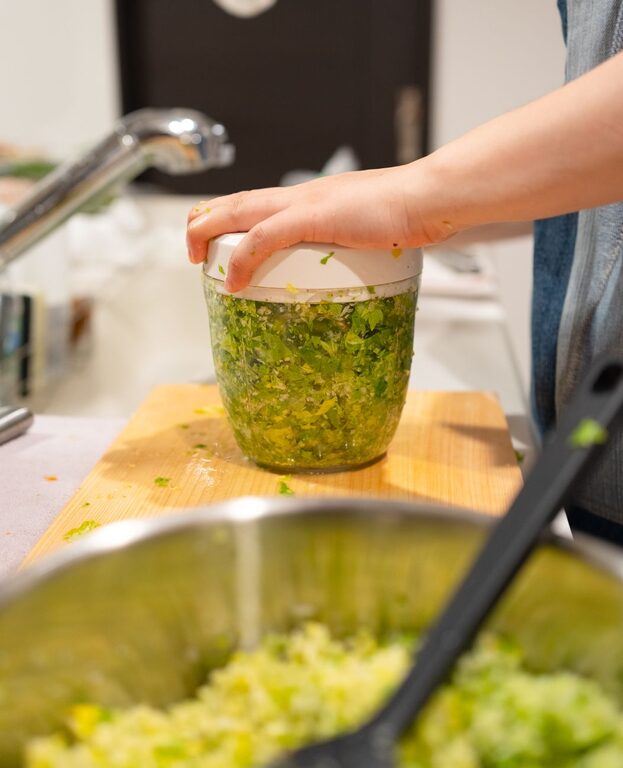
Make Everyday Cooking Easier
A kitchen does not need a complete renovation to become more comfortable, efficient, and safe. Small upgrades can improve how you move around the room, prepare ingredients, store supplies, and clean up afterward.
The best changes are often simple and practical. Better lighting can help you see what you are doing. Smarter storage can keep frequently used items within reach. A few well-chosen tools can reduce clutter and make common tasks easier.
Whether you cook every day or prepare occasional meals, these kitchen upgrades can help create a smoother routine.
Improve Kitchen Lighting
Good lighting is one of the most useful kitchen improvements. Shadows and dim areas can make it harder to read labels, measure ingredients, or notice spills on work surfaces.
Layer the Lighting
Try using more than one type of light:
- Overhead lighting: Provides general brightness throughout the room.
- Task lighting: Focuses light on counters, sinks, and cooking areas.
- Cabinet lighting: Brightens dark spaces beneath or inside cabinets.
Stick-on or rechargeable lights can be installed beneath cabinets without major electrical work. Choose lights with simple controls and place cords where they will not interfere with food preparation.
If you use a brighter bulb, select one that provides clear, comfortable light rather than harsh glare. A well-lit workspace can make chopping, measuring, and cleaning easier.
Clear and Protect the Main Work Area
A crowded counter can slow down meal preparation and increase the chance of knocking something over. Start by identifying the area you use most often for chopping, mixing, and assembling ingredients.
Keep this space as open as possible. Store appliances that are rarely used in a cabinet or pantry, and move decorative items away from the main preparation zone.
A large, stable cutting board can also improve your workspace. Look for one with a non-slip base or add a damp kitchen towel underneath to help keep it steady. Use separate cutting boards for different types of ingredients when appropriate, and wash them thoroughly after use.
Choose Tools That Make Common Tasks Simpler
You do not need every kitchen gadget available. A small collection of reliable tools is usually more useful than a drawer full of single-purpose items.
Consider adding:
- A comfortable chef’s knife for general chopping
- A smaller paring knife for detailed tasks
- A sturdy vegetable peeler
- Measuring cups and spoons with easy-to-read markings
- A kitchen timer that is easy to hear or see
- Heat-resistant oven mitts with good coverage
- A large, stable mixing bowl
- A can opener that operates smoothly
Choose tools that fit comfortably in your hand and are easy to clean. If a tool is difficult to use, you may avoid it even when it would make a task easier.
Keep Sharp Tools in a Safe Place
Knives should be stored so the blades are protected and handles are easy to grasp. A knife block, drawer insert, or wall-mounted magnetic strip can work well, depending on your kitchen layout.
Avoid placing loose knives in a crowded drawer. This can damage the blades and make it harder to retrieve a knife safely. Keep knife storage away from the edge of counters and areas where children can reach.
Organize Items by How Often You Use Them
Kitchen organization works best when it reflects your routine. Place the items you use every day in convenient locations, and move occasional-use items to higher shelves or less accessible cabinets.
For example:
- Keep plates, bowls, and everyday glasses near the dishwasher or main prep area.
- Store cooking oils and common seasonings near, but not directly beside, the stove.
- Place pots and pans close to the cooking surface.
- Keep food storage containers together in one cabinet or drawer.
- Store baking supplies in a dedicated bin or shelf.
Shelf risers, drawer dividers, and pull-out baskets can make storage easier to use. Clear containers can help you see what you have, while labeled bins can keep similar items together.
Do not overload shelves or stack items so high that they may fall when removed. A little extra space can make cabinets safer and more convenient.
Make the Sink Area More Efficient
The sink is one of the busiest areas in a kitchen. A few changes can make washing, rinsing, and cleanup less tiring.
A dish rack with a drainage tray can help keep water off the counter. If you have limited space, consider a roll-up rack that can sit over the sink and be stored when not in use.
A sink caddy can hold sponges and brushes while allowing them to dry. Replace worn sponges regularly, and clean or wash reusable tools according to the manufacturer’s instructions.
You can also keep a small container near the sink for food scraps while preparing a meal. This reduces trips to the trash or compost container and makes cleanup more organized.
Add Easy-to-Clean Surfaces
Smooth, durable surfaces can save time after cooking. Use washable mats in areas that receive frequent spills, such as near the sink or stove. Choose mats with non-slip backing, and clean them regularly to prevent buildup.
For countertops, keep a few reusable microfiber cloths within reach. Wipe spills as soon as practical, especially around appliances and food preparation areas. Use cleaning products according to their labels, and avoid mixing different products.
Protect small appliances from splashes and allow them to cool before cleaning. Unplug appliances when required by the manufacturer, and keep water away from electrical connections.
Reduce Slips, Burns, and Spills
A safer kitchen is usually a more organized kitchen. Keep walkways clear, wipe up spills promptly, and avoid placing cords across areas where people walk.
A few additional habits can help:
- Turn pot and pan handles inward so they are less likely to be bumped.
- Use dry oven mitts when handling hot cookware.
- Open lids away from your face to direct steam safely.
- Keep a stable step stool available for reaching high shelves.
- Store heavy items on lower shelves.
- Keep flammable materials away from hot cooking surfaces.
Check that rugs and mats lie flat. Replace any item with worn edges, loose backing, or damage that could create a tripping hazard.
Create a Simple Meal Prep Station
If you prepare meals regularly, group the tools and ingredients you use together. A small tray can hold measuring spoons, seasonings, and cooking utensils. A container in the refrigerator can keep commonly used meal ingredients in one place.
You might also set up a weekly preparation routine:
- Review recipes or meal ideas before shopping.
- Wash and dry produce when appropriate.
- Prepare ingredients that will be used in several meals.
- Store food in clearly labeled containers.
- Clean the work area before finishing.
Keep food storage containers in good condition, and replace pieces that are cracked, warped, or missing secure lids. Use containers designed for their intended purpose, especially when heating or freezing food.
Upgrade One Area at a Time
You do not need to change the entire kitchen at once. Begin with the area that causes the most inconvenience. If counters are crowded, focus on storage. If the room feels dim, improve task lighting. If cleanup takes too long, organize the sink and add washable cleaning supplies.
Small, thoughtful upgrades can make meal preparation feel calmer and more predictable. By improving visibility, storage, tool access, and cleaning routines, you can create a kitchen that supports safer and easier cooking every day.