
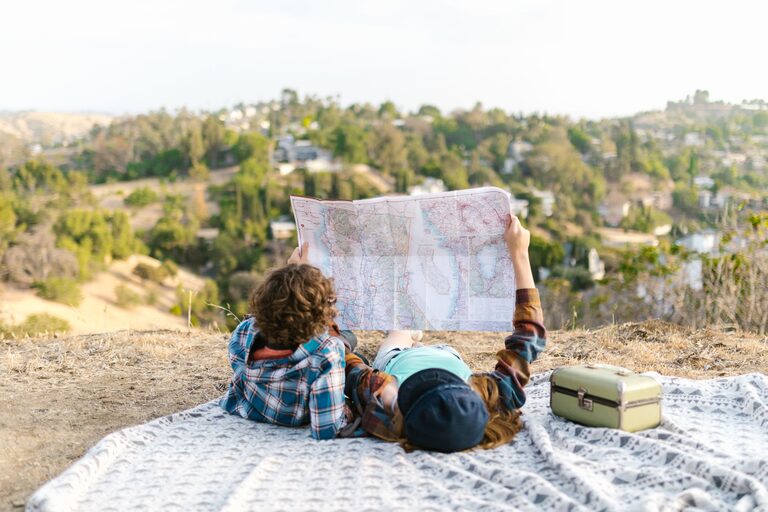
A well-planned day trip can feel like a refreshing break without requiring a long itinerary or an overnight stay. Whether you are walking through a historic town, exploring a nature trail, visiting a local attraction, or combining several outdoor activities, a little preparation can make the day more comfortable and enjoyable.
The key is to balance activity with relaxation. You want enough structure to make the most of your time, but enough flexibility to handle delays, changing weather, or an unexpected place worth exploring.
Choose the Right Destination
Start by choosing a destination that matches your group’s interests, energy levels, and available time. A nearby location may offer more time for activities than a famous attraction that requires hours of travel.
Consider these questions before deciding:
– How long will the journey take in each direction?
– Are there activities for everyone in the group?
– Is the destination easy to reach by car, train, bus, or bicycle?
– Are restrooms, food options, and parking available?
– Does the area have a clear opening and closing schedule?
– Will the main activities require reservations?
Think about the total experience rather than one headline attraction. A destination with a scenic walk, a good café, and a small museum may create a more satisfying day than a single crowded site.
Check the Route and Travel Time
Estimate travel time carefully, including stops, parking, transfers, and walking from a parking area to the main destination. Online maps can provide a useful starting point, but travel conditions may change during weekends, holidays, or special events.
If you are traveling by car, check for fuel stations and parking locations in advance. If you are using public transportation, review the return schedule before leaving. Missing the last bus or train can turn a simple day trip into a stressful experience.
Build in a small time buffer. Arriving a few minutes late to one activity is easier to manage when the schedule is not packed from morning to evening.
Build a Flexible Itinerary
A simple itinerary helps everyone understand the plan without making the day feel rushed. List the main activities in order, then leave open space between them.
A useful day trip outline might include:
- Departure and travel
- Arrival and a short orientation
- Main active activity
- Lunch or a snack break
- A second activity or sightseeing stop
- Free time
- Return journey
Choose one or two priorities instead of trying to see everything. For example, you might plan a morning trail walk and an afternoon visit to a local market. If the first activity takes longer than expected, you can shorten the second without losing the focus of the day.
Add Breaks on Purpose
Breaks are not wasted time. They give everyone a chance to enjoy the surroundings, eat, take photos, and reset before the next activity.
For an active adventure, plan a brief pause about every couple of hours, or more often if your group prefers a slower pace. Look for natural stopping points such as viewpoints, picnic areas, benches, cafés, or visitor centers.
A flexible schedule also makes room for spontaneous discoveries. A small gallery, scenic overlook, or interesting shop may become one of the highlights of the trip.
Pack for Comfort and Activity
Packing light is helpful, but comfort should come first. The right items depend on the destination and planned activities, yet a few basics are useful for most day trips.
Consider bringing:
– Comfortable shoes suited to the terrain
– Light layers for changing temperatures
– A small backpack or day bag
– Water and easy-to-carry snacks
– Sunglasses and a hat
– A light rain jacket or compact umbrella
– Phone, charger, or portable battery
– Identification and payment method
– Printed directions or saved offline maps
– A small bag for trash or wet clothing
Avoid wearing new shoes for a full day of walking. Familiar footwear is usually a better choice, especially when the itinerary includes uneven paths, stairs, or extended time outdoors.
Pack clothing that can adapt to the weather. A light layer is often more useful than one heavy item because it can be added or removed as conditions change.
Keep the Bag Manageable
A heavy bag can make an active day less pleasant. Before leaving, remove items that are unlikely to be used. Share group items when practical, such as tissues, snacks, maps, or a portable charger.
Use small pouches to organize essentials. This makes it easier to find keys, tickets, and personal items without unpacking the entire bag.
Plan Food and Water
Meals can influence the rhythm of the entire trip. Research food options near your destination, but do not rely entirely on finding an open restaurant at the busiest time of day.
If you plan to eat at a popular café or restaurant, check whether reservations are available. For a picnic, choose foods that travel well and are easy to eat outdoors. Sandwiches, fruit, crackers, nuts, and prepared snacks are often convenient choices.
Bring enough water for the activities you have planned. Refill points may not be available in parks, rural areas, or smaller attractions. A reusable bottle can be practical and helps reduce waste.
Try to plan meals around your activities. Eating a large, slow meal immediately before a long walk may not suit everyone, while a light meal followed by a planned break can keep the schedule comfortable.
Check Weather and Local Conditions
Review the forecast before departure and again on the morning of the trip. Look beyond the temperature and check for rain, wind, heat, road conditions, and sunset times.
Weather can also affect trails, ferry services, outdoor events, and attraction hours. Look at the destination’s official website or social media channels for updates when available.
Have a backup plan for poor conditions. This could be an indoor museum, a historic building, a covered market, a café route, or a shorter walk. A backup plan does not need to be elaborate; it simply gives you an alternative when the original plan is no longer practical.
Make Safety Part of the Plan
Share your general itinerary with someone who is not on the trip, especially when visiting a remote area. Keep important contact details and directions accessible, and save your accommodation or vehicle information if needed.
Stay on marked paths where possible, follow local signs, and respect closures or restricted areas. Keep track of time if you are exploring a place with limited daylight or infrequent transportation.
For group trips, agree on a meeting point in case someone gets separated. Children and first-time visitors may need a little extra guidance around busy streets, water, steep paths, or unfamiliar terrain.
The goal is not to eliminate every surprise. It is to prepare for common problems so they are easier to handle.
Plan Around the Group
A successful day trip gives each person a chance to enjoy the experience. Before leaving, discuss activity preferences, walking distances, meal choices, and any schedule limits.
If the group has different interests, consider splitting the itinerary into optional sections. One person might visit a shop or gallery while others take a short walk, then everyone can meet for lunch.
Avoid judging the success of the trip by the number of places visited. A comfortable pace, good conversation, and time to appreciate the destination are often more valuable than a crowded schedule.
Review the Day Before You Leave
A quick final check can prevent avoidable delays. Confirm tickets, opening hours, transportation schedules, weather, parking, and meeting times. Charge devices and place frequently used items where they are easy to find.
Try to get a reasonable start without making the departure stressful. Leaving too early can create unnecessary waiting, while leaving too late may force you to skip planned activities.
With a realistic itinerary, comfortable gear, and a little flexibility, a day trip can combine movement, discovery, and rest. Plan the essentials, leave room for surprises, and focus on enjoying the journey as much as the destination.