
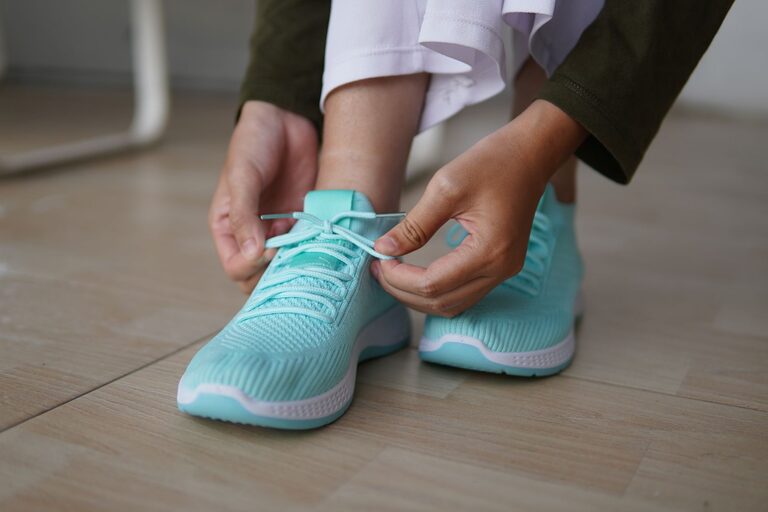
Walking is one of the easiest ways to stay active throughout the day. Whether you walk to work, run errands, travel, or enjoy weekend outings, comfortable shoes can make each step feel easier. The right pair can also help you stay focused on your routine instead of thinking about sore feet, slipping heels, or uncomfortable pressure points.
With so many styles and features available, choosing walking shoes can feel confusing. A practical approach is to focus on fit first, then consider support, cushioning, materials, sole design, and how you plan to use the shoes.
Start With the Right Fit
A comfortable walking shoe should feel secure without being tight. Your foot should not slide around inside the shoe, but your toes should have enough room to move naturally.
When trying on walking shoes, keep these points in mind:
– Try shoes on later in the day, when feet may be slightly larger.
– Wear the type of socks you usually use for walking.
– Make sure there is about a thumb’s width between your longest toe and the front of the shoe.
– Check that the widest part of your foot fits comfortably within the shoe.
– Walk around on a firm surface before deciding.
– Compare both shoes, since one foot may be slightly larger than the other.
The heel should stay in place as you walk. If it lifts noticeably, the shoe may be too large or the heel design may not suit your foot. On the other hand, a tight heel can cause rubbing and discomfort.
Do not rely only on the size printed inside the shoe. Sizing can vary between brands and styles, so comfort and fit are more important than the number on the label.
Look for Comfortable Support
Walking shoes should provide a stable base without feeling stiff or heavy. Support does not necessarily mean a hard or bulky shoe. It often comes from the shape of the sole, the structure around the heel, and the way the shoe holds your foot.
A supportive walking shoe may include:
– A firm heel area that helps keep the foot centered
– A secure lace or fastening system
– A flexible front section for a natural stride
– A stable sole that does not twist too easily
– A shape that follows the general outline of your foot
The shoe should bend near the front, where your foot naturally flexes while walking. If it bends in the middle or feels difficult to move, it may not provide the smooth walking motion you want.
At the same time, avoid choosing a shoe simply because it feels extremely soft. Excessive softness can sometimes make a shoe feel unstable, especially during long walks or on uneven surfaces.
Choose the Right Amount of Cushioning
Cushioning affects how a shoe feels underfoot. Some people prefer a soft, padded feel, while others enjoy a firmer and more responsive sole. The best choice depends on your comfort preferences and daily activities.
Consider these factors:
For Short Daily Walks
A lightweight shoe with moderate cushioning may be enough for walking around town, commuting, or completing errands. This type of shoe usually feels flexible and easy to wear.
For Longer Walks
If you regularly walk for an hour or more, you may prefer additional cushioning under the heel and the front of the foot. A well-cushioned shoe can make long periods on hard surfaces feel more comfortable.
For Mixed Activities
If you want one pair for walking, travel, and casual activities, look for balanced cushioning. The shoe should feel comfortable but not overly thick or specialized.
Try walking on different surfaces in the store if possible. A shoe that feels comfortable on carpet may feel different on tile, concrete, or pavement.
Pay Attention to Breathability
Feet can become warm during active days, especially in hot weather or when walking for long periods. Breathable materials allow air to move through the upper part of the shoe, which can improve everyday comfort.
Common breathable materials include:
– Mesh
– Lightweight knit fabric
– Perforated synthetic materials
– Fabric panels with ventilation zones
Mesh shoes are often a good choice for warm conditions because they allow airflow and tend to be lightweight. However, they may offer less protection from rain or cold wind. If you often walk in changing weather, consider a shoe with a balance of ventilation and water resistance.
A removable insole can also be useful. It may allow the shoe to dry more easily after extended use and make cleaning simpler.
Consider the Outsole and Traction
The outsole is the part of the shoe that contacts the ground. It affects grip, durability, and the overall feel of each step.
For daily walking, look for an outsole with:
– A pattern that provides steady traction
– Enough flexibility for a natural stride
– Durable rubber or rubber-like material
– A design suitable for the surfaces you use most
Smooth soles may work well indoors but can provide less grip on wet sidewalks. If you walk in parks, on paved paths, or across different types of ground, a patterned outsole can offer greater versatility.
For city walking, a flatter sole with consistent contact may feel stable. For light outdoor paths, a slightly more textured sole can help provide traction without the bulk of a hiking shoe.
Match the Shoe to Your Routine
Think about where and when you will wear the shoes. A pair designed for occasional treadmill use may not be the best choice for commuting or all-day travel.
Ask yourself:
– Will I mostly walk indoors or outdoors?
– Do I walk on pavement, trails, or a combination of surfaces?
– Will I wear these shoes for several hours at a time?
– Do I need them to work with casual clothing?
– Do I often walk in warm, rainy, or cold weather?
– Do I prefer a lightweight shoe or a more structured design?
For everyday use, versatility is often more valuable than a highly specialized feature. A simple, comfortable walking shoe may work for errands, travel, casual outings, and regular walks.
Check the Shoe’s Weight
Heavy shoes can become tiring during long days, while very lightweight shoes may not provide the structure or durability you need. Aim for a balance that feels natural when you lift and move your feet.
Walk at your normal pace while trying on a pair. Notice whether the shoes feel clumsy, restrictive, or easy to move in. A comfortable walking shoe should not require much effort to lift or bend.
Break Them In Gradually
Even well-fitting shoes may need a short adjustment period. Wear a new pair for brief walks at first rather than using them immediately for a full day of travel or extended activity.
During the first few uses, pay attention to:
– Rubbing at the heel or toes
– Pressure across the top of the foot
– Slipping inside the shoe
– Unusual stiffness
– Discomfort caused by the tongue or seams
A shoe may soften slightly with use, but it should feel reasonably comfortable from the beginning. Persistent pressure or rubbing is a sign that the style or fit may not be right.
Maintain Your Walking Shoes
Good care can help walking shoes stay comfortable and useful for longer. Let them air out after use, especially if they become damp. Remove loose dirt with a soft brush and follow the cleaning instructions provided by the manufacturer.
Avoid drying shoes with intense direct heat, which may affect adhesives and materials. Rotating between two pairs can also give each pair time to air out and recover its shape.
Inspect the soles regularly. If the tread is worn unevenly, the shoe feels less stable, or the cushioning has noticeably flattened, it may be time to consider a replacement.
Final Tips for Choosing Wisely
The best walking shoes are the ones that fit comfortably, suit your routine, and feel stable from the first try. Before buying, focus on practical details rather than appearance alone.
Use this quick checklist:
– The shoe fits comfortably in length and width.
– Your heel stays secure without rubbing.
– Your toes have room to move.
– The sole bends near the front of the foot.
– The cushioning feels comfortable for your usual surfaces.
– The materials suit the weather and activities you expect.
– The outsole provides suitable traction.
– The shoe feels light and natural when you walk.
A thoughtful choice can make daily movement more enjoyable. By taking time to test the fit and match the features to your lifestyle, you can find walking shoes that support comfortable, active living day after day.