
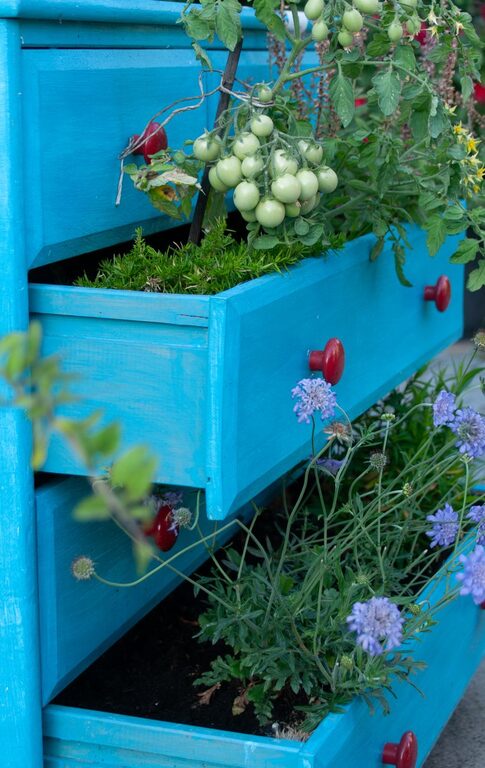
Small outdoor spaces can become lively, productive gardens with a few creative ideas and the right containers. Whether you have a narrow balcony, a compact patio, or a sunny doorstep, you can grow herbs, flowers, and vegetables without needing a traditional garden bed.
The key is to make good use of vertical space, choose plants that fit your conditions, and select containers that are easy to move and maintain. These simple gardening projects are beginner-friendly and can be adapted to almost any small outdoor area.
1. Create a Container Herb Garden
A container herb garden is one of the easiest ways to start gardening in a small space. Herbs are useful in the kitchen, attractive in pots, and many grow well with only a few hours of sunlight.
Choose a sunny location near your kitchen door or on a patio table. You can plant each herb in its own pot or combine several herbs in one larger container.
Good choices include:
– Basil
– Chives
– Cilantro
– Mint
– Parsley
– Rosemary
– Thyme
Use a container with drainage holes and fill it with quality potting mix. Mint grows quickly and can spread, so it is usually best planted in its own container. Place taller herbs toward the back and shorter herbs near the edge for an attractive arrangement.
Trim herbs regularly to encourage fresh growth. Harvesting small amounts often can help keep the plants full and productive.
2. Build a Vertical Garden
Vertical gardening allows you to grow more plants without using extra floor space. It works especially well on patios, balconies, and narrow side areas.
You can create a vertical garden with:
– A wall-mounted planter
– A tiered plant stand
– A wooden ladder
– Hanging pockets
– A trellis with climbing plants
– Reused shelves or crates
Before installing anything, check that the wall or structure can support the total weight of the containers, soil, and water. Lightweight plastic pots are often easier to manage than heavy ceramic planters.
For a simple display, place trailing plants on the upper levels, leafy plants in the middle, and compact flowers or herbs near the bottom. Make sure every plant receives enough light and that water from higher containers will not damage surfaces below.
3. Grow a Salad Bowl Garden
A salad bowl garden is a practical project that provides fresh greens in a compact container. Choose a wide, shallow pot with drainage holes and place it in a spot with morning sun or bright filtered light.
Try planting:
– Leaf lettuce
– Arugula
– Spinach
– Baby kale
– Radishes
– Green onions
Scatter seeds across the soil according to the instructions on the packet. Once the seedlings appear, thin them if they become crowded. You can harvest outer leaves as needed, allowing the plants to continue growing from the center.
For a longer harvest, plant a small amount of seeds every few weeks rather than planting everything at once. This approach, called succession planting, helps provide a steady supply of greens.
4. Make a Pollinator-Friendly Pot
Even one container can provide food for bees, butterflies, and other helpful garden visitors. Choose a sunny pot and fill it with flowering plants that bloom at different times.
Consider combining:
– Marigolds
– Zinnias
– Lavender
– Coneflowers
– Salvia
– Nasturtiums
Use a container large enough to give the plants room to grow. Select flowers with different heights and shapes to create visual interest. Avoid overcrowding the pot, since plants need good air circulation.
Place the container where you can enjoy watching visiting pollinators. A shallow dish of clean water with a few small stones can provide a safe drinking spot, but refresh the water regularly.
5. Plant a Compact Tomato Garden
Tomatoes can grow successfully on patios when you choose compact varieties and provide sturdy support. Look for labels such as “determinate,” “dwarf,” or “patio” when selecting plants.
Use a large container with drainage holes, since tomato plants need room for their roots. Add a cage, stake, or small trellis before the plant becomes tall. Installing support early helps prevent damage to the roots later.
Place the tomato container in a location that receives plenty of direct sunlight. Water deeply when the top layer of soil feels dry, and avoid splashing the leaves whenever possible. A layer of mulch on top of the soil can help reduce moisture loss.
You can also grow compact peppers, bush beans, or small cucumbers alongside tomatoes if you have room for additional containers.
6. Design a Tiered Flower Display
A tiered flower display adds color while using very little floor space. You can purchase a ready-made plant stand or create a simple arrangement with sturdy steps, crates, or shelves designed for outdoor use.
When arranging the plants:
- Place taller plants on the highest level or toward the back.
- Add medium-sized plants to the middle.
- Use trailing varieties along the edges and bottom.
- Leave enough space between pots for air movement.
- Check that each plant has similar sunlight and water needs.
Annual flowers are a good option because they provide bright color throughout the growing season. Choose a mix of colors that complements your outdoor furniture or the surrounding walls.
7. Make a Hanging Garden
Hanging planters are useful when floor space is limited. They can be attached to a ceiling, railing, wall bracket, or sturdy garden hook.
Trailing plants such as ivy, sweet potato vine, bacopa, and trailing petunias work well in hanging containers. You can also grow strawberries or small herbs in hanging baskets.
Use strong hardware and check the support point before hanging a filled container. Water carefully, since excess moisture may drip onto furniture or flooring. Hanging pots can dry out faster than containers on the ground, so check them regularly during warm weather.
8. Turn a Patio Corner Into a Mini Garden
An unused corner can become a compact garden with a few well-placed containers. Start by measuring the area and noting how much sunlight it receives during the day.
Group containers by plant needs:
– Full-sun plants together
– Shade-tolerant plants in darker corners
– Herbs near the door for easy harvesting
– Decorative flowers near seating areas
Use pots of different heights to create a layered look. Keep a clear path for walking, and avoid placing containers where they could block doors, drains, or outdoor equipment.
Rolling plant caddies can make large pots easier to move when cleaning, rearranging, or protecting plants from severe weather.
Tips for Maintaining a Small-Space Garden
Small gardens are easier to manage when you establish a simple routine. Check the soil before watering rather than following a fixed schedule. Insert a finger about an inch into the soil; if it feels dry, the plant may need water.
Other helpful habits include:
– Use containers with drainage holes.
– Choose potting mix made for containers.
– Remove faded flowers to encourage new blooms.
– Inspect leaves for pests and signs of stress.
– Rotate pots occasionally for even growth.
– Clean empty containers before reusing them.
– Group plants with similar care requirements.
Remember that every outdoor space has different light, wind, and temperature conditions. Start with a few projects, observe how your plants respond, and adjust as needed.
Enjoy Your Small Garden
A patio or balcony garden does not need to be large to be rewarding. A few containers can provide fresh herbs, colorful flowers, and a relaxing connection to nature. By using vertical displays, tiered arrangements, and compact plant varieties, you can make the most of every available inch.
Start with one easy project, such as a herb pot or salad bowl, and build from there. With regular care and a little creativity, even the smallest outdoor area can become a welcoming garden.